


If you’re looking for the best type of pool salt for your saltwater pool, you’ve come to the right place. In this comprehensive guide, we’ll explore everything you need to know about pool salt, including the types of pool salt, their pros and cons, how they’re made, and five of the best options to consider for your pool.
Table of Contents
Top 5 Pool Salt Options for Your Saltwater Pool
When it comes to choosing the best salt for your swimming pool, there are several great options available in the market. Each product has its unique properties and advantages, which cater to different needs and preferences.
AQUASALT 40 Swimming Pool Chlorine Generator Salt
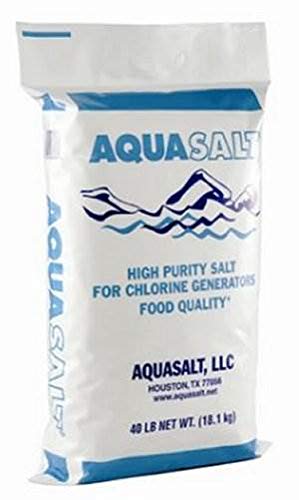
Let’s start with AQUASALT 40 Swimming Pool Chlorine Generator Salt. This product has been recognized as one of the best pool salts of the year. AQUASALT is a USP grade salt, which means it’s of high purity and quality. The salt dissolves quickly and evenly, ensuring a smooth and hassle-free application. Known for its high purity level, Aquasalt pool salt is a favorite among many pool owners. It dissolves quickly in water, ensuring efficient sanitization.
Users have reported that they experience no clumping issues and no need for extra brushing when using AQUASALT 40. Despite these advantages, some users have mentioned that they needed to use a significant amount of this salt to achieve the desired salt levels in their pools.
- Pros:
- Dissolves quickly and evenly.
- No clumps or extra brushing needed.
- 40-pound bag with a built-in soft handle.
- Recyclable packaging.
- Cons:
- Some users reported needing a large amount to raise salt levels.
Clean & Pure Pool Salt
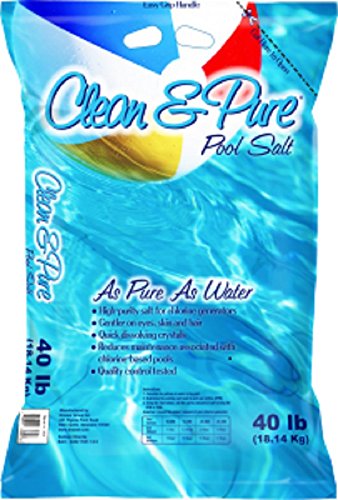
Next is the Clean & Pure Pool Salt: With a high level of purity, this salt is a reliable choice for your pool and can be used alongside pool chlorine. This pool salt is formulated with non-hazardous ingredients that are safer to handle and gentler on the eyes, skin, and hair when dissolved in pool water. Its 99.8% soluble formulation is made from extra fine, quick and evenly dissolving crystals
Pros:
- non-hazardous ingredients that are gentler on the eyes, skin, and hair when dissolved in pool water.
- Made from extra fine, quick, and evenly dissolving crystals.
- Easy to use
- Designed specifically for use in saltwater pools.
Cons:
- Some customers reported receiving dirty salt with black particles and brown sludge.
- Price
Diamond Crystal 8526 Pool Salt

The Diamond Crystal 8526 Pool Salt is another solid choice, but it’s positioned as a premium option. This product is well-regarded for its purity and its ability to ensure water clarity and cleanliness. It also dissolves quickly, minimizing the effort needed to mix it into the pool. Users of Diamond Crystal have reported less skin irritation compared to other options. The main downside of Diamond Crystal is its high price, which is not justified by clear additional benefits.
Here are the pros and cons of Diamond Crystal 8526:
- Pros:
- Pure, high-quality salt.
- Dissolves quickly.
- May lead to less skin irritation.
- Cons:
- High cost without clear additional benefits.
Morton Salt 3460 Pool Salt
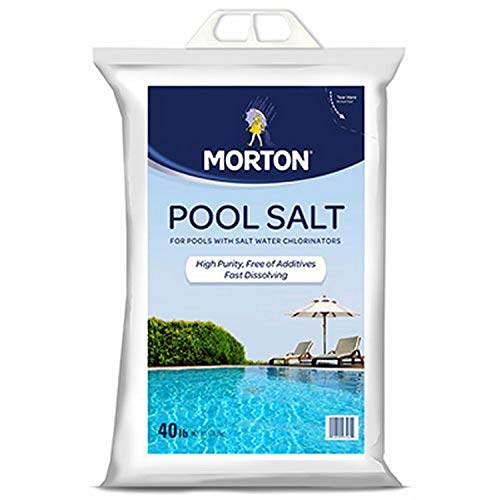
The Morton Salt 3460 Pool Salt is another contender. Morton, a well-known name in the world of salt, offers a pure and fast-dissolving pool salt. The main drawback of this product is its cost, which is almost double that of some other options. While this salt is easy to use and contains no additives, some users have reported that the salt was very dirty and required extra steps to clean before adding to the pool
Here’s the summary of Morton Salt 3460:
- Pros:
- Pure and fast-dissolving salt.
- Cons:
- Higher cost compared to other options.
Kissner Pool Salt
Also known as Kissner clean and pure pool salt, this option creates soft chlorine that doesn’t irritate or etch pool equipment. It also enhances the overall pool experience by creating softer water.
Pros:
- It’s 100% pure and certified USP-Grade salt produced specifically for swimming pool and spa chlorine generators.
- The salt is over 99.8% soluble, dissolving quickly and evenly.
Cons:
- None
A Dive into Pool Salt: What You Need to Know
When it comes to saltwater pools, salt is the key ingredient for keeping your pool safe and clean. However, not all salt is created equal. The type and quality of salt you choose can significantly impact the health of your pool and the effectiveness of your pool’s sanitization process.
Salt is not just a staple in your kitchen; it’s also a critical component for many swimming pools. The rise in popularity of saltwater pools has created a demand for high-quality pool salt. Why the shift to saltwater? Not only can it be a more cost-effective way to keep your pool clean, but it’s also gentler on the skin and eyes, and is less likely to cause the kind of irritation often associated with heavily chlorinated water.
Types of Pool Salt: Mined Salt, Solar Salt, and Mechanically Evaporated Salt
The three primary types of pool salt are mined salt, solar salt, and mechanically evaporated salt.
- Mined Salt: Also known as rock salt, mined salt is recognized for its high purity level, containing between 95% and 99% sodium chloride. This purity makes it a great choice for sanitizing saltwater pools. Moreover, the larger crystals of rock salt mean it lasts longer in the pool. However, the high sodium chloride concentration can cause corrosion in concrete pools. Plus, some rock salts may contain trace minerals and iron deposits, which can cause staining.
- Solar Salt: Solar salt is made by drying saltwater under direct sunlight. Although it’s a natural process, solar salt may contain microscopic aquatic life, like brine shrimp. Over time, these organisms decay, leading to organic matter that is not ideal for pool water. Despite its organic contaminants, solar salt is an affordable option and effective at producing chlorine.
- Mechanically Evaporated Salt: This type of salt is produced by using heat generators to dry out seawater. It’s similar to solar salt, but the mechanical drying process helps remove organic contaminants. However, this method can leave behind mineral deposits that may cause scaling in your pool.
Choosing the Right Pool Salt: What to Consider
When choosing a pool salt, it’s crucial to select a product specifically designed for swimming pools. This ensures the salt is of the highest purity, minimizing the presence of unwanted organic contaminants, minerals, and metals. A purity level of at least 95% sodium chloride is recommended for saltwater pools.
High-purity pool salt not only results in cleaner pool water but also reduces maintenance needs and extends the life of your salt cell. Remember, the cleaner the pool salt, the less the chlorine generator and salt cell need to work.
How to Use Pool Salt
Properly adding salt to your pool is critical for optimal performance. Generally, you should distribute the salt over the greatest water surface area possible to ensure a fast dissolve rate. Always follow the manufacturer’s guidelines for quantity and frequency of adding salt. Avoid piling the salt on the pool surface and brush as necessary until fully dissolved.
Maintenance Tips
Maintaining a saltwater pool requires regular testing of the water to ensure the salt levels are appropriate. If the salt level is too high or too low, it can affect the efficiency of your salt chlorine generator and the quality of your water. Be prepared to adjust the salt levels as necessary, and don’t forget to regularly check the pool’s pH levels, as well.
FAQs
Q: How often should I add salt to my pool? A: This largely depends on the frequency of pool use, rainfall, and the amount of backwashing performed. Regular testing will help you determine when additional salt is needed.
Q: Can I use table salt in my pool? A: No, table salt often contains additives like iodine and anti-caking agents which can interfere with your pool’s chemistry and potentially cause damage to the pool equipment.
Conclusion
Choosing the right salt for your pool can significantly enhance your swimming experience. Considering factors such as the salt’s purity, dissolving speed, price, and the reputation of the brand can help guide your decision. Among the options we’ve reviewed, the AQUASALT 40 Swimming Pool Chlorine Generator Salt stands out for its fast dissolving time, high purity, and reasonable price.
Last update on 2024-04-05 / Affiliate links / Images from Amazon Product Advertising API
This post contains affiliate links, which means I may receive a small commission, at no extra cost to you, if you make a purchase using these links.
