


When it comes to trampolines, maintenance plays a crucial role in ensuring their longevity and optimal performance. One of the key factors in trampoline maintenance is properly lubricating the springs. In this comprehensive guide and review, we will explore the best trampoline grease options available on the market that can prevent rust and ensure perfect functionality.
Table of Contents
In a Hurry? Here’s Our Top Picks…
If you’re in a rush, take a look at our top picks for the best trampoline grease options available:
- Valvoline General Purpose Amber Grease 14.1 OZ Cartridge: This grease offers excellent water resistance and can effectively lubricate trampoline springs within a wide temperature range. It is affordable, easy to apply, and ensures long-lasting protection against rust and adverse weather effects.
- Lubriplate Multi-Purpose Grease: Designed to work exceptionally well in cold temperatures, this grease prevents wear and corrosion, which are common issues faced by trampolines. It is also water repellent and provides extreme pressure properties for reliable lubrication.
- Lucas Oil 14.5 Ounce 10301 Heavy Duty Grease, 14.5 oz: As a long-lasting option, this grease remains on trampoline springs four times longer than average greases. It is virtually waterproof, making it ideal for preventing rust in vulnerable areas. Moreover, it offers all-temperature stability and is highly affordable.
- WD-40 Specialist Heavy Duty Multi-Purpose Grease, 14 OZ: This grease provides long-lasting corrosion protection, ensuring the extended life of your trampoline springs. It excels in temperature, pressure, and water wash-out performance, making it a reliable choice even in harsh conditions.
- Valvoline Moly-Fortified Gray Full Synthetic Grease 1 LB: Offering superior high- and low-temperature protection, this full synthetic grease inhibits rust and oxidation. It is moly-fortified, providing increased film strength and exceptional resistance to heavy loads. Additionally, it is long-lasting, reliable, and capable of loosening up rusted or tight trampoline springs.
Top Picks for Trampoline Grease
Here are our top picks for the best trampoline grease options:
Valvoline General Purpose Amber Grease 14.1 OZ Cartridge
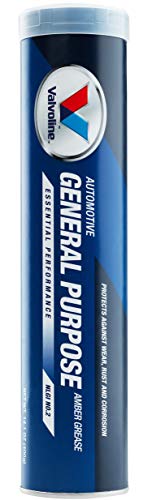
Valvoline W609 grease is specifically designed to lubricate motor vehicles and other equipment, including trampolines. Its excellent water resistance properties protect against rust and adverse weather effects. With a wide temperature range, it can effectively lubricate trampoline springs ranging from -10°F to 400°F. Valvoline W609 is affordable, easy to apply, and ensures long-lasting protection for your trampoline
- Material: Lithium
- Excellent water resistance
- Lubricates at temperatures ranging from 0°F to 275°F
- NLGI No.2 Lithium 12 Hydroxystearate EP Grease
- Appropriate for use where a GM 4733-M, GM6031-M, Chrysler MS-3701 or NLP LB grease is specified.
Lubriplate Multi-Purpose Grease
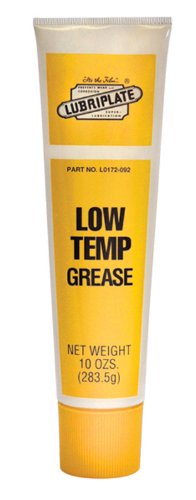
Lubriplate 03494 grease is an anhydrous calcium-based lubricant that works exceptionally well in cold temperatures. If you live in an area with cold weather, this grease is a perfect choice for your trampoline. It effectively prevents wear and corrosion, common issues faced by trampolines. The grease is also water repellent and provides extreme pressure properties for reliable lubrication in demanding conditions.
- Anhydrous Calcium-based 1.5 NLGI Grade
- Minimum temperature of -60 degrees Fahrenheit
- Maximum temperature of 225 degrees Fahrenheit
- Superb lubrication properties
- Prevents corrosion and wear
- Water repellent, extreme pressure grease.
Lucas Oil 14.5 Ounce 10301 Heavy Duty Grease, 14.5 oz
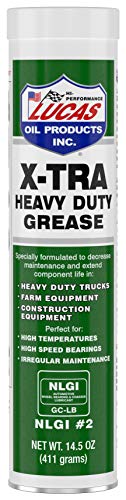
Lucas Oil Heavy Duty Grease is a top-selling option known for its long-lasting performance. It remains on trampoline springs four times longer than average greases, providing extended protection against rust. With its all-temperature stability, it is suitable for various
weather conditions. The grease is practically waterproof and highly affordable. Its 14.5 oz quantity is enough to last a year or longer with regular trampoline maintenance. Even if you don’t use it for a while, it won’t dry out like other brands on the market. Plus, it’s not a ‘wet’ grease, so you won’t have to worry about drips as you apply it to the trampoline springs.
- Lasts four times longer than regular grease
- Virtually waterproof
- All temperature stable
- Exceeds lube for life specifications
- Ultimate grease for high-speed bearings.
WD-40 Specialist Heavy Duty Multi-Purpose Grease, 14 OZ
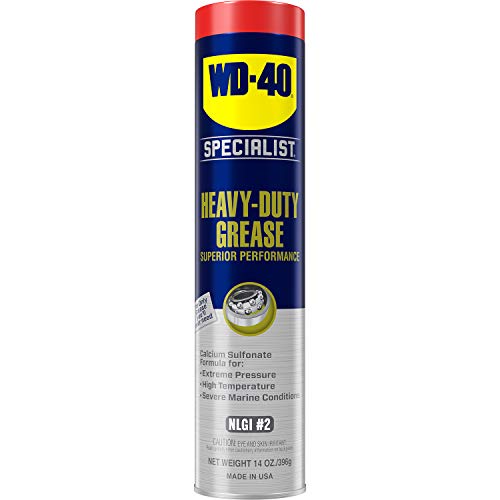
WD-40 Specialist Heavy Duty Grease is a trusted name in equipment care supplies. It provides long-lasting corrosion protection, ensuring the extended life of your trampoline springs. This grease outperforms in temperature, pressure, and water wash-out tests, making it a reliable choice even in harsh conditions. Formulated with calcium sulfonate technology, it offers marine-grade water resistance and protection against rust and corrosion.
- Long-lasting corrosion protection extends the life of your equipment
- Outperforms in all 3 features: temperature, pressure & water wash-out from independent lab test
- Formulated with calcium sulfonate (OBCS) technology, interchangeable with other WD-40 Specialist greases without compromising performance
- Reliable at temperatures above 650°F
- Provides marine-grade water resistance and protection against rust and corrosion.
Valvoline Moly-Fortified Gray Full Synthetic Grease 1 LB
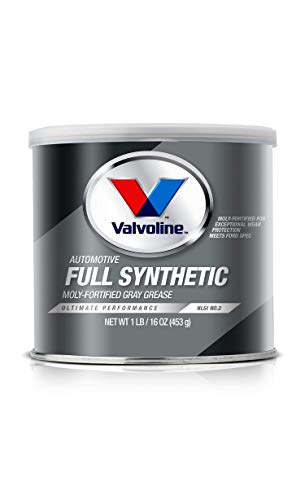
Valvoline’s full synthetic grease is a superior option when it comes to protecting your trampoline springs. It provides exceptional high- and low-temperature protection (-60°F to 425°F) compared to conventional greases. Moly-fortified for increased film strength and exceptional resistance to heavy loads, this grease ensures optimal lubrication for your trampoline springs. It is long-lasting, reliable, and capable of loosening up rusted or tight trampoline springs, while also silencing squeaks.
- Provides superior high- and low-temperature protection (-60°F to 425°F) over conventional greases
- Moly-fortified for increased film strength and exceptional resistance to heavy loads
- Extreme pressure fortified NLGI No.2 GC-LB lithium complex EP grease
- Helps inhibit rust and oxidation
- Loosens up rusted or tight trampoline springs
- Silences squeaking.
Trampoline Grease Education
Before selecting a trampoline grease, it’s essential to understand its function and factors to consider. Grease serves multiple purposes in trampolines, including preventing corrosion, reducing wear, and minimizing friction. Here are some key considerations:
Function
Grease is responsible for controlling several aspects related to trampoline performance, such as temperature transfer and absorption, contamination transportation, corrosion prevention, wear reduction, and friction reduction.
Ease of Use
Trampoline grease should be easy to apply, especially in hard-to-reach areas. It can be applied by hand to accessible parts, while an automatic dispenser or continuous dispenser is recommended for greasing hard-to-reach areas or chains.
Longevity
Grease, like any lubricant, has a lifespan and needs to be replaced when it deteriorates. Monitoring the outdoor temperature can help track the lifespan of trampoline grease. Excessive temperatures can shorten the grease’s service life, so it’s important
to be aware of temperature conditions that can affect the grease’s performance. Squeaky noises during trampoline use can be a sign of worn-out grease, indicating the need for reapplication.
Best Brands
When it comes to trampoline grease, two brands stand out for their quality and reliability:
- Lubriplate: Known for offering value-added, complimentary service, Lubriplate produces high-quality petroleum-based, synthetic, and food-grade lubricants. Their products are durable and tough, making them an excellent choice for trampoline grease.
- Valvoline: With a legacy of innovation and dedication to providing high-quality motor cleaners, lubricants, oils, and greases, Valvoline has gained the trust of vehicle owners over the years. Their trampoline greases are known for their effectiveness and reliability.
Trampoline Grease FAQs
Q: Is it normal for a trampoline to squeak? A: If the squeaking is not very loud, it could be due to the initial stages of rusting on the trampoline spring. This can occur when the trampoline is stored in a wet environment for an extended period without use. To address this issue, let the trampoline dry in a dry environment, and then apply WD-40 on the metal joints and springs. Finish by applying trampoline grease to these areas.
Q: How do I maintain my trampoline? A: Trampoline maintenance is relatively simple. During winter, it’s important to remove any snow buildup from the trampoline. You can use a soft-bristle broom or brush to gently push snow from the frames and clear snow from the jumping mat. Additionally, greasing the trampoline springs during warm, dry weather is recommended.
Wrap-Up
In conclusion, choosing the best trampoline grease is essential for maintaining the longevity and functionality of your trampoline. Based on our review, Lucas Oil 14.5 Ounce 10301 Heavy Duty Grease stands out as a top pick. Its long-lasting performance, all-temperature stability, and affordability make it an excellent choice. Lubriplate Multi-Purpose Grease is also a recommended option, with its superb lubrication properties, corrosion prevention capabilities, and workability in extreme temperatures.
By considering factors such as function, ease of use, and longevity, you can make an informed decision when selecting the best trampoline grease for your needs. Properly maintaining your trampoline with the right grease will ensure years of enjoyable bouncing and fun-filled moments.
Last update on 2024-04-05 / Affiliate links / Images from Amazon Product Advertising API
This post contains affiliate links, which means I may receive a small commission, at no extra cost to you, if you make a purchase using these links.
