

You’ve got a half-used bag of rock salt in the garage. Maybe it’s left over from an icy driveway last winter, or it’s the crystal salt you keep on hand for a water softener. Now you’re standing next to a saltwater pool that needs salt, and buying a dedicated 40 lb bag of pool salt feels like an unnecessary trip. Will the bag you already own work? It might. It might also clog your salt cell or leave rust colored stains on the bottom of your pool. The word “rock salt” on the label does not tell you which outcome you get. What’s actually in the bag does.
Rock Salt Is Not One Product
“Rock salt” gets used loosely to describe at least three different things sold at the same hardware store, and pool owners run into all three. Ice melt rock salt is mined halite sold for melting driveway ice, and it’s frequently blended with rust inhibitors, anti-caking agents, and dye so it’s easy to see on snow. Water softener rock salt comes as either crystals or pellets, and while the crystals are often close to pure sodium chloride, the pellets are usually bound together with additives that keep them from clumping in a softener tank. Pool-labeled salt, sometimes also called mined salt on packaging, is the same underground halite deposit, refined to a higher purity with nothing else added.
Three products, one name. That’s the whole reason this question keeps coming up, and it’s why a flat yes or no answer misses the point.
The Two Things That Actually Decide This
Forget the name on the front of the bag. Two facts on the ingredient panel settle whether it’s safe for your pool.
Purity. You want 99% or higher sodium chloride. Most driveway ice melt rock salt runs lower, often in the 95% to 98% range, with the remainder made up of trace minerals like iron that cause staining as the salt dissolves and settles.
Additives. This is the bigger risk. Iodine, anti-caking agents such as yellow prussiate of soda (sodium ferrocyanide), rust inhibitors, and dyes all interfere with a salt chlorine generator. None of these show up as visible grit. You won’t see them. You’ll only find out they were there when your equipment starts acting up.
What Actually Happens If You Guess Wrong
This is the part most articles on this topic skip, and it’s the part that matters most. Additive residue builds up on the salt cell’s electrode plates over time. The cell reads salt levels less accurately, starts throwing false low-salt alerts even though salt is present, and in persistent cases the plates corrode enough that the cell needs replacing outright. A new cell typically runs $200 to $700 depending on your chlorinator model. That’s the real cost of saving four dollars by dumping in the wrong bag. On the surface side, trace metals in lower-purity rock salt settle into plaster, vinyl, or fiberglass and leave stains that don’t scrub out, only fade slowly over months.
How to Check the Bag You Already Have
- Read the full ingredient list, not just the front label. “Rock salt” on the front means nothing on its own.
- Look for a stated purity of 99% or higher. If no percentage is listed, check the manufacturer’s website before assuming.
- Reject anything listing iodine, anti-caking agents, yellow prussiate of soda, sodium ferrocyanide, or added color.
- Crystals, not pellets. Softener pellets are usually held together with a binder that pool salt should never contain.
- If the bag is genuine ice melt salt bought for driveways or sidewalks, treat it as unsafe by default. Most ice melt formulas include a rust inhibitor specifically because it’s meant to sit on metal and concrete, which is the opposite of what your pool equipment needs.
If your bag clears every item on that list, it will work in your pool regardless of what the front says. If you’re not sure, or the bag doesn’t list ingredients at all, don’t guess with a piece of equipment that costs hundreds of dollars to replace.
If You’d Rather Not Gamble, These Are Verified Safe
When the bag in the garage is a question mark, buying salt that’s already confirmed clean is the cheaper move in the long run. Three options cover most situations, and we cover the full lineup in our guide to dedicated pool salt.
Diamond Crystal Solar Naturals Water Softener Salt
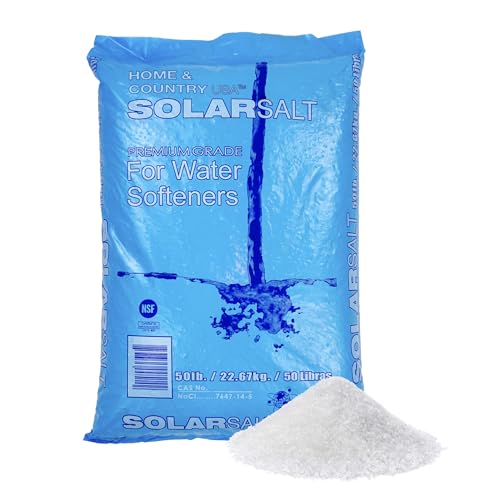
This is the blue bag sold in the water softener aisle, and Diamond Crystal states directly on its packaging and website that it’s approved for pool use at 99.6% purity with no additives. It’s the right pick if you’re already buying softener salt anyway and want one product that covers both jobs. Buy crystals, not pellets, and expect it to take a day or two longer to fully dissolve than fine-grain pool salt.
Morton Pool Salt 3460
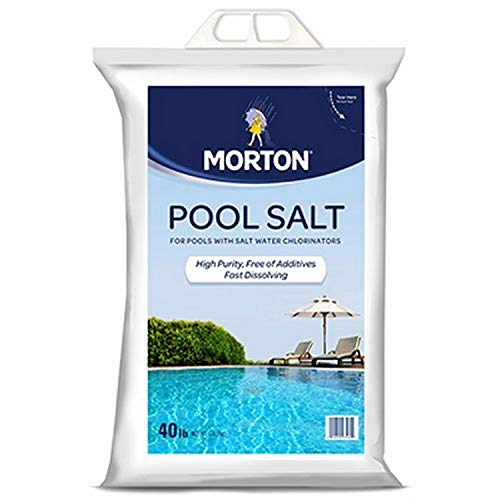
A dedicated pool salt at 99%-plus purity with no additives, sold at most hardware and grocery stores. This is the straightforward pick if you’d rather not think about it further and just want a bag made specifically for this job.
AQUASALT 40 lb Pool Salt

USP-grade certified at over 99% purity. If you have a light-colored vinyl liner or plaster finish and staining is your main worry, this is the option with the tightest purity standard of the three.
A Few Situations Worth Calling Out
Small or above ground pools. A smaller pool needs less salt, so a bad bag causes less total contamination, but the salt cell itself is no more forgiving. The same purity and additive rules apply whether you’re filling a 5,000 gallon above ground pool or a 25,000 gallon in-ground one.
Tight budget. Water softener crystal salt is usually the cheapest verified-safe option per pound, often 30 to 40 percent less than salt labeled specifically for pools. It’s a legitimate way to save money, just stick to crystals with a confirmed purity, not pellets.
No time to shop around. If you need salt today and only ice melt rock salt is on hand, wait. A pool sits fine for a few more days without a salt top-up, and the cost of a ruined cell is not worth the shortcut.
The Bottom Line
Skip the front label entirely and read the ingredients. If your rock salt is 99% or higher sodium chloride with no iodine, anti-caking agents, or rust inhibitors, it will work in your saltwater pool. If it’s driveway ice melt, softener pellets, or a bag with no purity listed, don’t risk it. A new bag of verified pool salt costs less than ten dollars. A new salt cell costs hundreds.
Last update on 2026-11-10 / Affiliate links / Images from Amazon Product Advertising API
This post contains affiliate links, which means I may receive a small commission, at no extra cost to you, if you make a purchase using these links.


