

Mulch is a layer of material spread over bare soil to hold in moisture, block weeds, and protect roots from temperature swings. That part is simple. What is not simple is picking the right one once you are standing in the garden center looking at bagged pine bark, dyed wood chips, rubber nuggets, and straw, because each of those materials is built for a different bed, budget, and household. This guide sorts mulch by the situation it actually solves, not by an exhaustive list of every material that exists, and points to the specific pick and the full how-to guide for whichever situation matches your yard.
Organic vs Inorganic Mulch and Why the Difference Actually Matters
Every mulch falls into one of two categories, and the category matters more than the specific material. Organic mulch, bark, wood chips, straw, compost, shredded leaves, breaks down over time. That is a feature, not a flaw. It feeds the soil as it decomposes, but it also means you are signing up to top it off on a schedule, usually once a year for lighter materials and every two to three years for coarser bark.
Inorganic mulch, rubber, gravel, landscape fabric, does not feed the soil at all. What it buys you instead is time. Rubber and stone hold their look for years without a reapplication, which is exactly why they show up so often in the situations below where the goal is solving the mulch question once and moving on.
Match the Mulch to Your Actual Bed
Generic mulch guides list every material and let you guess. We would rather start from the situation you are actually in.
Ornamental beds, shrubs, and foundation plantings
For a bed you want to look finished without redoing it every spring, composted bark is the standard choice for a reason. It holds its shape and color longer than fine wood chips, and because it is already partially broken down, it will not pull nitrogen out of the soil the way fresh, uncomposted chips can.
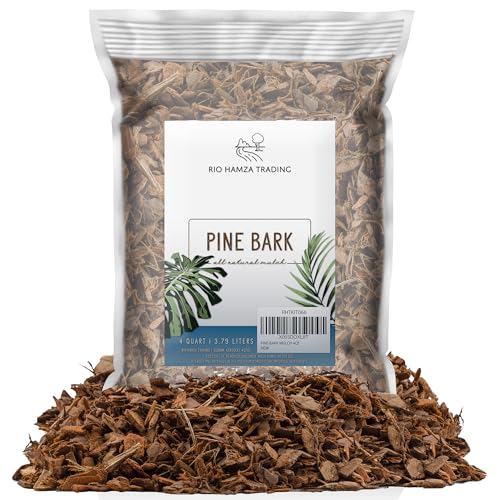
Rio Hamza Trading Natural Pine Bark Mulch comes in a resealable bag sized for a single shrub or a small bed rather than a full pallet, which matters if you are only refreshing one corner of the yard. Keep the depth in the 2 to 4 inch range covered in our mulch depth guide, and if the bed sits inside the first 5 feet of a wall, check our guide to mulch and fire risk first. Bark is one of the lower-hazard organic mulches by that guide’s own defensible-space breakdown, but no organic mulch belongs directly against a foundation in a fire-prone area.
Renters and anyone tired of doing this every year
If you rent, do not want to dig, or are simply done reapplying mulch every season, the honest answer is to stop buying organic mulch. Rubber mulch will not decompose, so it skips the yearly top-off entirely and holds its color for years instead of fading over one summer.

NuScape Rubber Mulch Nuggets are made from recycled rubber and lay down heavier than wood-based mulch, so wind and rain move it around less, useful in an exposed rental yard with no landscaping to break the wind. It also has a slight give underfoot, which is why it shows up under swing sets as often as it does in garden beds. One caveat that is easy to miss: rubber is one of the more fire-prone mulch types, so keep it out of the 5 foot zone right against the house per the same fire-risk guide linked above.
Yards with dogs
One mulch type is worth ruling out before you buy anything: cocoa bean shell mulch. It smells like chocolate because it is a cocoa byproduct, and it contains theobromine, the same compound that makes chocolate toxic to dogs. Our full guide to mulch and dog safety covers the toxic dose and what to do if a dog already ate some, but the simplest fix is to just not bring that specific mulch home.

FibreDust Organic CoCo Mulch is a coconut husk product, not a cocoa bean shell, so it carries none of that toxicity risk despite the similar name on a shelf. It also expands significantly once watered, so a single compressed block covers more bed than it looks like it will in the bag.
Vegetable beds and new grass seed
A vegetable bed or a patch of new grass seed has different needs than an ornamental bed. You want something that breaks down fast enough to feed the soil in the same season, will not smother small seedlings, and will not introduce weed seed of its own. Straw and finished compost both do this well. If you are seeding grass rather than growing vegetables, a tackified straw product that binds to itself instead of blowing or washing away protects the seed while it germinates, a different job than a decorative bed mulch is built for. For matching compost or fertilizer to an actual soil problem instead of guessing, our organic gardening guide walks through testing the soil first.
Tight budgets and small yards
You do not need to buy anything to mulch a small bed. Shredded fall leaves, dried grass clippings, and even a layer of plain cardboard under a thin topping of whatever you already have all do the core job of blocking sunlight and holding moisture. The one trade-off: fresh, unfinished plant material can tie up nitrogen in the topsoil as it breaks down, so if you are using raw clippings or leaves rather than composted ones, a light scratch-in of a nitrogen source keeps the bed from stalling out. For a bed under roughly 50 square feet, a single small bag of bark or coco mulch is usually cheaper than a bulk delivery anyway, so free materials and small bags both beat buying more than the bed needs.
HOA color and appearance rules
If an HOA has an approved-mulch-color clause, dyed wood chips are the riskiest choice, since dye fades unevenly within a season and can leave a bed looking patchy well before it needs replacing. Natural bark and natural cedar hold their color without dye and age more evenly, one less thing to explain at the next HOA walkthrough.
Common Mulching Mistakes That Undo the Whole Job
- Piling mulch against the trunk or stems. This is the “volcano mulching” mistake, and it traps moisture against bark that is not built to stay wet, which invites rot and wood-boring insects. Keep mulch 6 to 12 inches back from any trunk.
- Going too deep. More is not better past a certain point. Our mulch depth guide covers the 2 to 4 inch range that actually works and why a deeper layer can suffocate roots instead of protecting them.
- Assuming a fresh bag cannot smell. Bagged mulch that sat sealed too long can ferment and come out smelling sour before it ever touches soil. That is a fixable, temporary problem, not a sign of a bad product, and our guide to sour mulch covers the fix.
- Guessing at quantity. Overbuying bagged mulch or underordering bulk both waste money. Our mulch quantity guide has the cubic yard math and the bagged versus bulk breakeven point.
Once you know which situation above matches your yard, the fastest path is picking a specific product rather than a category. Our full roundup of the best mulch options covers all of the picks named here plus a few more, ranked with the same situational reasoning.
The Bottom Line
Skip the type-by-type checklist and start from what the bed actually needs. Composted bark for a foundation planting meant to look finished for years, rubber for a rental or a yard nobody wants to touch again next spring, coconut husk instead of cocoa shell if a dog uses the yard, and straw or finished compost for anything edible or freshly seeded. Pick from that list first, then use the depth, quantity, and safety guides above to get the details right once the bag is open.
Last update on 2026-10-07 / Affiliate links / Images from Amazon Product Advertising API
This post contains affiliate links, which means I may receive a small commission, at no extra cost to you, if you make a purchase using these links.


