


Introduction: As the proud owner of a hot tub, you understand the joy and relaxation it brings. However, there may come a time when you notice that the water in your hot tub becomes cloudy, hazy, or even foamy. This can be quite concerning, as you want your hot tub to provide clean and inviting water for your enjoyment.
In this comprehensive guide, we will explore the ten leading causes of cloudy hot tub water and provide you with expert insights and practical solutions to clear it up.
Reasons Hot Tub Water is Cloudy
- Improper Alkalinity Levels: Maintaining the proper alkalinity level in your hot tub is crucial for water clarity. High alkalinity levels above 150 ppm can lead to the release of carbonates, resulting in cloudy water and potential damage to your hot tub’s components. On the other hand, low alkalinity levels below 80 ppm can cause the water to become more acidic, leading to dry and itchy skin, as well as irritated eyes. Regularly test and adjust the alkalinity levels to keep your hot tub water clear.
- Improper pH Levels: The pH level of your hot tub water plays a vital role in its clarity. Aim for a pH range of 7.0-7.4 ppm for bromine and 7.2-7.6 ppm for chlorine. Imbalances in pH levels can cause cloudiness, irritated eyes, and even scale formation. High pH levels can reduce the effectiveness of chlorine, while low pH levels can damage the hot tub equipment and promote the growth of bacteria and algae. Regular testing and adjustment of pH levels are necessary to maintain clear water.
- Low Sanitizer Levels: Sanitizers are essential for keeping your hot tub water free from harmful bacteria and contaminants. Whether you use bromine or chlorine, maintaining the proper sanitizer levels is crucial. Aim for 4-6 ppm for bromine and 3-5 ppm for chlorine. Insufficient sanitizer levels can result in the formation of foreign particles and rampant contamination, leading to cloudy water. Regularly monitor and adjust sanitizer levels to ensure optimal water clarity.
- Soap, Lotions, and Cosmetics: One common culprit for cloudy hot tub water is the introduction of soap, lotions, and cosmetics into the water. When people enter the hot tub without showering, these products are transferred into the water, introducing phosphates, oils, detergents, and other chemicals. These substances consume the sanitizer and clog the filter, leading to cloudy and foamy water. Encourage hot tub users to shower before entering the tub to minimize this issue.
- Dirty or Old Filter: A dirty or old filter can significantly impact water clarity in your hot tub. The filter plays a crucial role in trapping particles and contaminants, preventing them from circulating back into the water. Over time, filters can become dirty, mispositioned, or worn out, reducing their effectiveness. Regularly clean or replace the filter to ensure optimal filtration and water clarity.
- Insufficient Pump Operation: The pump in your hot tub is responsible for circulating the water and facilitating filtration. Insufficient pump operation can lead to cloudy, foamy, or milky water. Ensure that the pump is running for an adequate duration and at an appropriate speed to maintain proper water circulation and filtration. Additionally, check for any issues such as clogged impellers or water leaks that may impact the pump’s performance.
- Calcium Hardness: In areas with hard water, excessive calcium buildup can contribute to cloudiness in your hot tub. Over time, dissolved particles accumulate and cause scale buildup around the equipment, impeding water flow and leading to cloudy water. Regular cleaning and maintenance are necessary to address calcium hardness issues and maintain water clarity.
- Cloudy Fill Water: The water you use to fill your hot tub can also affect its clarity. Cloudy or high-mineral content fill water introduces particles and organisms that can disrupt the chemical balance and cause cloudiness. Treating the fill water promptly, ideally within 24 hours, is essential to prevent cloudiness in your hot tub. Proper filtration, sanitation, and the addition of clarifiers can help address this issue.
- Biofilm: Biofilm is a slimy bacterial growth that can develop due to algae, fungus, and airborne contaminants. It coats the interior of pipes and fittings, leading to cloudiness and even foaming in your hot tub. Prevention is key when dealing with biofilm, as it can be challenging to eliminate once it becomes established. Regular maintenance, proper chemistry, and the use of enzyme-based water treatment products can help prevent biofilm growth.
- Biguanide Problems: If you use a PHMB sanitizer, high levels of biguanide can cause cloudiness in your hot tub. Excessive levels of biguanide can clog the filter, hindering water clarity. Regular monitoring and maintenance of biguanide levels are necessary to prevent this issue.
Clearing Cloudy Water in Your Hot Tub
Now that we have explored the ten leading causes of cloudy hot tub water, let’s discuss how to clear it up effectively. Following these steps will help restore water clarity:
- Clean or Replace the Filter: Ensure the filter is clean and functioning properly before and after treatment. Monthly filter cleaning is recommended for routine maintenance.
- Check the Pump: Inspect the pump for mechanical issues, leaks, and proper water flow. Ensure the pump runs for an adequate duration and at an appropriate speed.
- Test the Water: Regularly test the water using a reliable testing kit to assess chemical levels. Adjust alkalinity, pH, and sanitizer levels as needed.
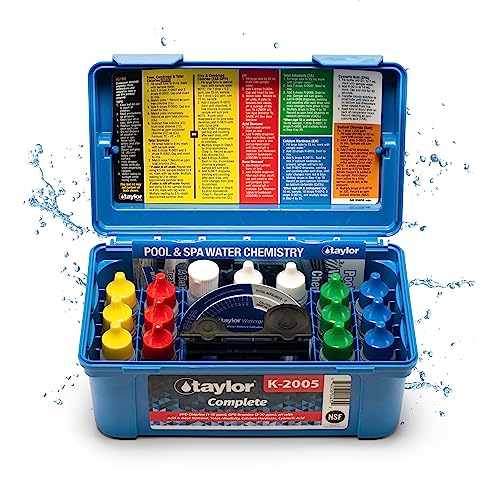
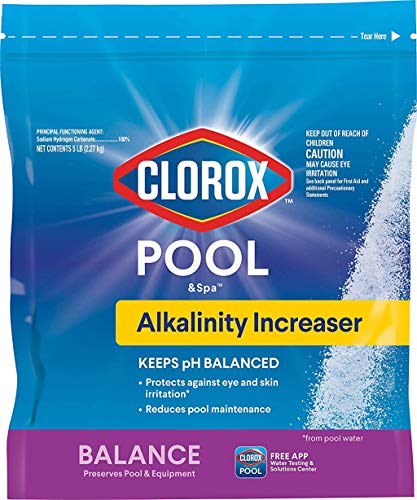
- Balance the Chemicals: Maintain proper alkalinity, pH, and sanitizer levels to prevent cloudiness. Use alkalinity increasers, pH increasers or decreasers, and appropriate sanitizers to achieve optimal balance.

- Add Enzymes: Use enzyme-based water treatment products to eliminate and prevent biofilm formation. Enzymes help break down contaminants and enhance sanitizer efficiency.
- Shock the Water: Periodically shock the water with a high dose of sanitizer to eliminate bacteria and contaminants. Follow recommended guidelines and allow the hot tub to circulate the shock treatment.

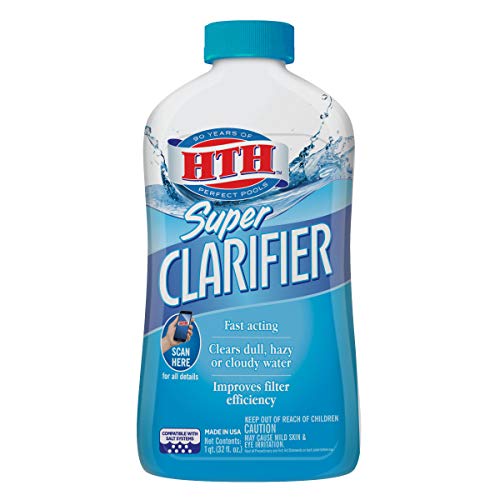
- Add Clarifier: Use a clarifier to gather dirt and particles, aiding filtration. Add clarifier weekly to maintain water clarity.
- Drain and Refill (Optional): If cloudy water persists despite troubleshooting, consider draining and refilling your hot tub. This provides a fresh start and removes accumulated solids.
Conclusion
Maintaining clear water in your hot tub is essential for an enjoyable and relaxing experience. By understanding the causes of cloudiness and following the recommended steps for treatment and prevention, you can ensure that your hot tub provides crystal-clear water for your rejuvenation.
Remember to regularly test and balance the chemical levels, clean or replace the filter, and practice proper maintenance. With these expert insights and practical solutions, you can enjoy a sparkling clean hot tub whenever you desire.
Last update on 2024-04-27 / Affiliate links / Images from Amazon Product Advertising API
This post contains affiliate links, which means I may receive a small commission, at no extra cost to you, if you make a purchase using these links.
